Our governance
As an incorporated society, we are governed by the National Executive Committee (NEC).
DPA’s constitution

On this page
The NEC’s purpose
The NEC oversees DPA's direction and establishes our priorities, ensuring that we include member feedback in our decision-making.
How NEC members are selected
The NEC is made up of our members. It is led by a President and supported by executive members with a range of experience and skills.
Each year, new NEC members replace those who have served their term. New NEC members are decided through a nomination and voting process, with the results announced at our Annual General Meeting (AGM).
Leadership within the NEC
The Presidential term
The full presidential term of 4 years is made up of:
- 1 year as President Elect
- 2 years as President
- 1 year as Immediate Past President.
This gives Presidents a year to learn the role, and a year to hand over and pass their knowledge on to the next President.
This means that along with the President, on alternating years, there is either an Immediate Past President or a President Elect.
The Vice President
The Vice President role was introduced in 2025 with the purpose of distributing the workload and governance leadership more equitably across the NEC.
It is an internally focused leadership role, with the Vice President supporting and filling in for the National President as required, and providing internal coordination amongst the NEC.
The role was also established to facilitate better succession planning, by providing an opportunity for motivated NEC members to build NEC leadership experience before committing to running for President Elect.
Read the NEC Leadership Position Descriptions
Meet the NEC
-
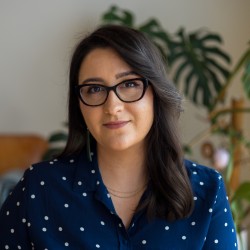
Kera Sherwood-O'Regan
President
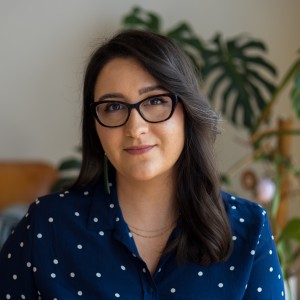
Kera Sherwood-O'Regan
She/her
President
Kera Sherwood-O'Regan is a Kāi Tahu disabled climate justice expert and community advocate from Te Waipounamu.
She is President of the Disabled Persons Assembly, and co-founder and Impact Director of Activate Agency – a social impact agency focused on the intersection between human rights and climate change.
In 2023, Kera was named one of BBC’s 100 Women as a "Climate Pioneer" for her work on Disability and Indigenous rights, and climate change.
Working in partnership with Indigenous and Disabled Peoples' Organisations, NGOs, government agencies, and affected communities, her work centers structurally oppressed communities in social change to drive campaigns and policies that are powerful, effective, and equitable. Her practice is grounded in kaupapa Māori approaches and more than 15 years’ experience in the climate movement.
She has participated extensively in United Nations climate processes - with the International Indigenous Peoples’ Forum on Climate Change and the SustainedAbility Disability and Climate Network, including delivering High Level Closing Addresses for the Indigenous Peoples' Constituency and Disability Caucus at the COP 25 and 27 climate conferences respectively.
Writing
Kera's recent writing includes co-authoring two works within "Climate Aotearoa", edited by the Right Honourable Helen Clark: "From threat to opportunity: Climate change and health in Aotearoa" with Dr. Rhys Jones and "Nothing about us without us: Climate change and disability justice" with Jason Boberg.
She has also contributed to Bronwyn Hayward’s "Children, Citizenship and Environment"; and "The Intersectional Environmentalist" by Leah Thomas.
Affiliations:
Kera is a Climate Reality Leader; Center for Australian Progress Campaigning Fellow; and NUKU 100 Women #030.
-
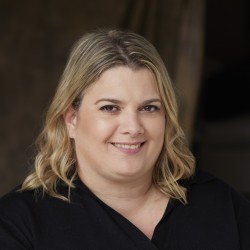
Juliana Carvalho
President Elect
-
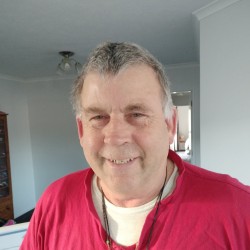
David King
NEC Member
-
Adriana van Altvorst
NEC Member
-
Tara Shepherd
Vice President
-
Elliot Yates
NEC Member
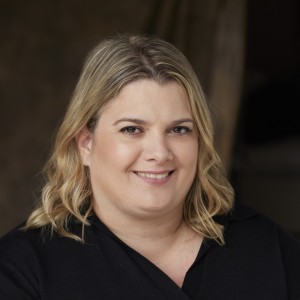
Juliana Carvalho
President Elect
Juliana Carvalho is a Brazilian disability rights advocate. She became paraplegic at 19 and transformed her experience into a mission to drive change. She created and hosted the public television show Make a Difference, directed the award-winning short film If the Eyes Cannot See, the Legs Cannot Feel, and won Marie Claire Brazil’s Best True Story Award.
Her autobiography In My Chair or Yours? has sold more than 30,000 copies in Brazil, and the English edition reached the Top 100 Hot New Releases on Amazon.com.
Since 2012, Juliana has called Aotearoa New Zealand home. Her resilience and courage in challenging the discriminatory immigration system sparked a movement to overturn the “acceptable standard of health” policy. Her petition—backed by over 35,000 signatures—alongside a bold video campaign featuring shark diving and paragliding, drew widespread media attention and helped expose ableist barriers in immigration policy.
Today, as a campaigner, speaker, and strategist, Juliana is leading the national push for enforceable accessibility legislation. She is a powerful voice in the disability rights movement, bringing lived experience, fearless storytelling, and strategic leadership to ensure accessibility is recognised as a human right—not a privilege. Through humour, passion, and radical disability pride, Juliana challenges perspectives and advocates for a more inclusive world.
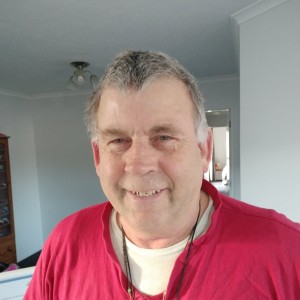
David King
He/him
NEC Member
Kia ora. My name is David King and I live in Ōtepoti Dunedin. I have been on the DPA NEC for over 2 years. I have a lived experience of disability and know how the system works, so I can share my knowledge with others. I want to work as a team so that others can have better outcomes.
I am an active advocate and have been involved with People First for decades. I am also part of Living Well, am a CCS Disability Action committee member, and involved with Your Way Kia Roha, on both the local and national Disability Leadership groups.
In my spare time I enjoy touch rugby, going to the pub and seeing friends, and listening to 70’s and 80’s music. I collect model fire trucks and like animals, especially cats and dogs.
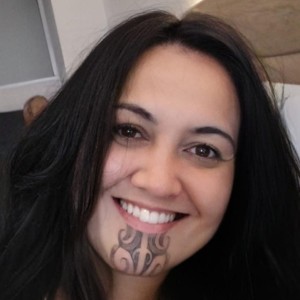
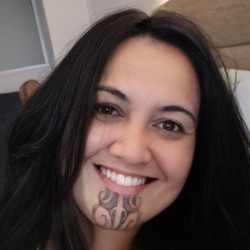
Adriana van Altvorst
NEC Member
Ko Adriana tōku ingoa. I whakapapa ki Ngāti Kahu ki Whaingaroa.
Adriana is a mother, grandmother, and passionate advocate with a heart full of aroha. Having navigated life's challenges, including PTSD, she approaches each day with gratitude and a smile.
With a background in both Education and Horticulture, Adriana nurtures growth—whether it's in children or plants, creating safe, happy environments where learning thrives. Curious and childlike, she finds wonder in the world around her, from Takapuna Beach to op-shopping adventures where she discovers treasures in unexpected places.
A teacher at heart, Adriana ignites the fire within every child, fueling their passions to burn bright. She believes in the power of connection, advocating for others because she cares and because she can.
Serving on the National Executive Committee of the Disabled Persons Assembly, Adriana strives to make the world a better, safer, and happier place where everyone can grow and thrive.
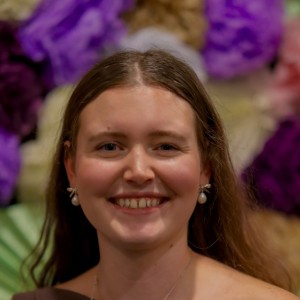
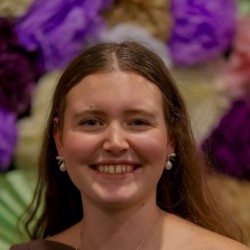
Tara Shepherd
Vice President
Tara’s advocacy sits at the intersection of disability advocacy, climate resilience, rural communities and mobilising people.
Her mahi is over the span of a decade with some highlights including being the Co-President of the National Disabled Students Association (2023 & 2024), sitting on Te Poutāhū’s Disability Voices, helping shape a curriculum that includes and reflects all learners. New Zealand Health Group’s Whakapuāwai Taskforce, embodying enabling good lives working to make health services safer and more equitable for disabled people.
Tara has also represented youth perspectives on international platforms, including speaking on behalf of NGOs at the inaugural Conference for Pacific Education Ministers. She is currently one of the National Commission of New Zealand UNESCO Youth Leaders, a key advisor to bridge engagement for youth to national and international long-term goals.
Particularly passionate about the environment and advocacy for rural communities her mahi following a state of emergency July 2021 flooding event saw her at the forefront as Waste Management Coordinator removing 1,107 tonnes worth of waste, ultimately creating the template for the rest of the country. It is here the passion for accessibility and support for disabled people in times of emergency was born.
Tara has been part of the National Executive Committee for Disabled Person’s Assembly since the end of 2023 and brings a wealth of governance experience with a focus on bringing the next generation of membership for DPA.
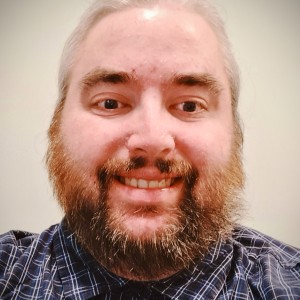
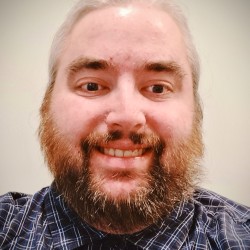
Elliot Yates
NEC Member
Elliot Yates is a Deaf‑Disabled NZSL signer and wheelchair user based in Wellington.
He brings strengths in disability rights advocacy, policy development and community mobilisation. Elliot's experience includes writing on disability issues, engaging with MPs, contributing to networks connected to organisations like Deaf Aotearoa and participating in the local Community Action Group for FERNZ.
Elliot’s focus includes advancing NZSL, Deaf rights, disability justice, and accessible tertiary education and housing. He is committed to strengthening DPA’s advocacy and supporting a rights‑based, Te Tiriti‑grounded approach to governance.